LS — 01 / Plan
Dismantling is a project, not demolition
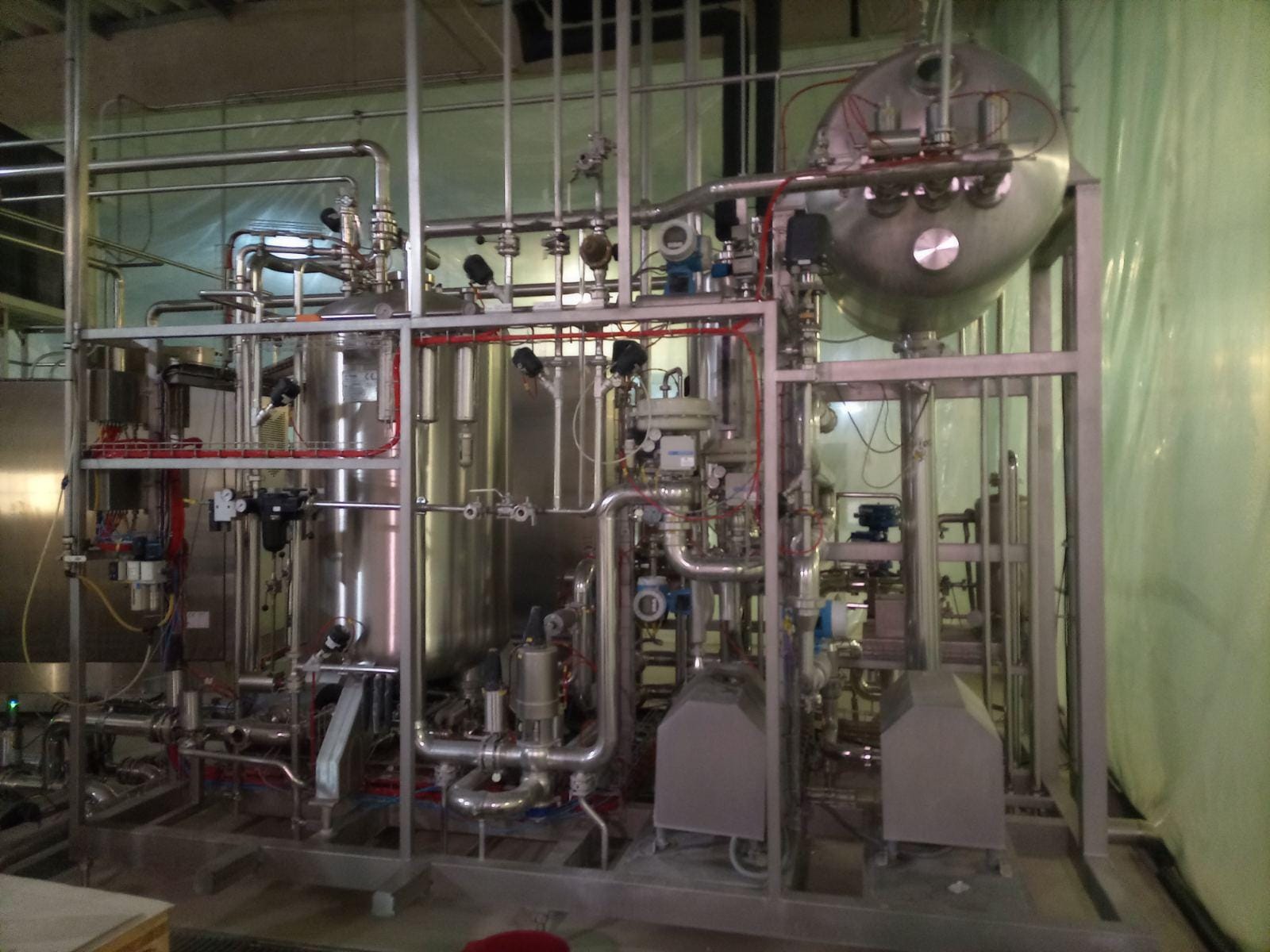
Good dismantling starts before the first bolt comes out: with an equipment survey, condition records and a work-sequence plan. Every assembly, cable and connection is labelled and documented, so reassembly at the new location never depends on the memory of the people who took the equipment apart.
We work safely — equipment is isolated from power and process media before dismantling, and the work is organised so it does not endanger the rest of the plant, which often keeps running.
LS — 02 / Lines
References: Sidel and Krones lines
In late 2019, as a subcontractor, we dismantled a can-filling line at the Tuborg plant in Bucharest — including the electrical control cabinets of the filling machine, of various sizes, types and functions. All the equipment was labelled, documented and prepared for transport.
In 2026 we dismantled a Krones line for filling water into PET bottles in Lohne, Germany, and a Krones can filling line in France. In both cases we disconnected the equipment from the installations, dismantled it in the planned sequence, labelled it and prepared it for loading and transport.
LS — 03 / Transport
Transport preparation and relocation
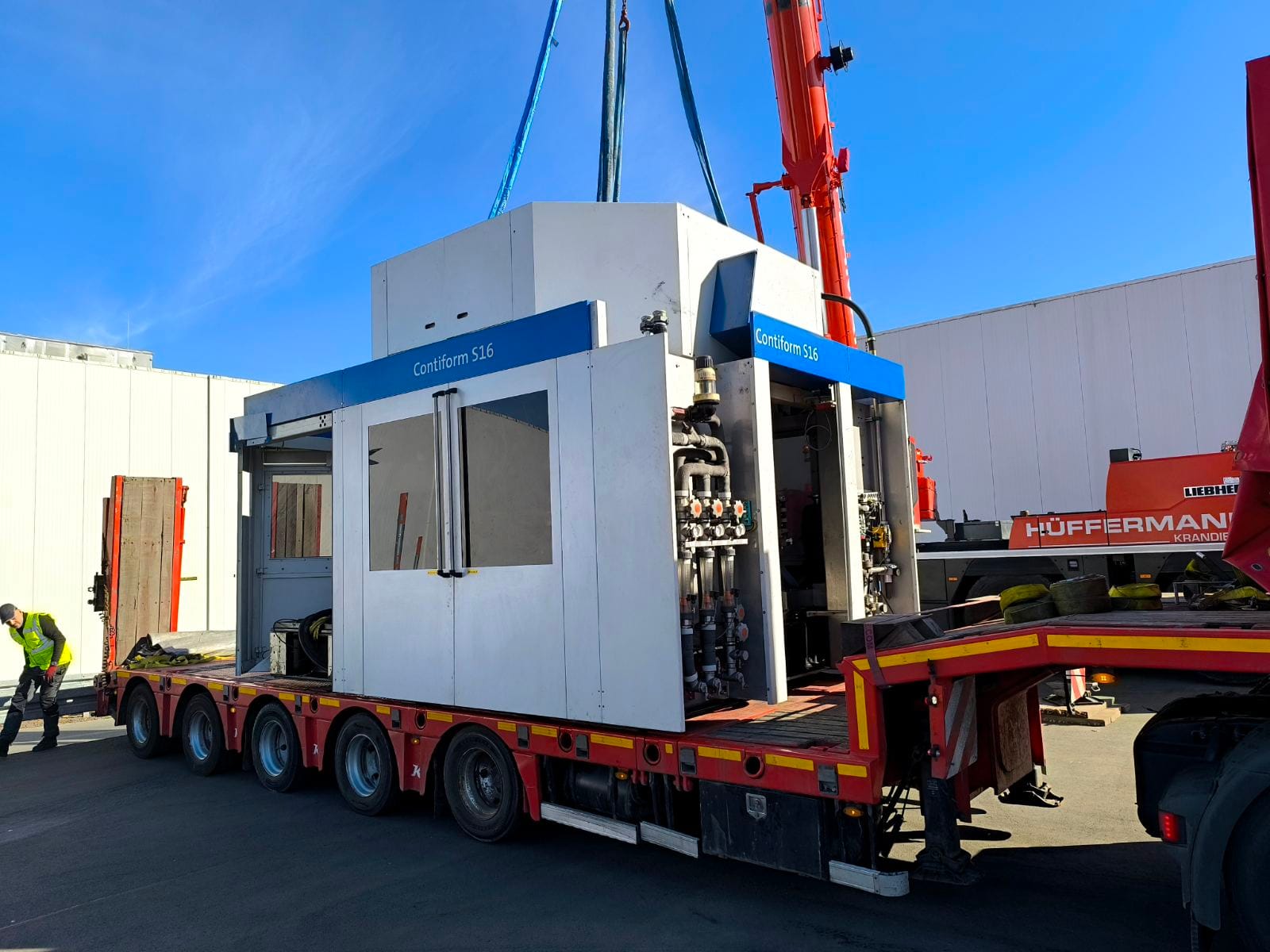
Dismantled equipment is packed and prepared for transport: sensitive components are protected, assemblies are palletised and marked according to the documentation. On request we also take part in reassembly at the new site, giving the relocation a single responsible contractor from start to finish.
LS — 04 / Scope
What it covers
- dismantling plan and work sequence
- safe isolation of equipment from services
- dismantling of lines and individual machines
- dismantling of electrical control cabinets
- labelling and documentation of equipment
- preparation for transport and relocation
At the new site the equipment goes back together through industrial machinery installation, and after commissioning it is taken over by process equipment service. See references from real projects or send us an enquiry.